

Key takeaways
- Buy a roofing-specific CRM. AccuLynx and JobNimbus lead the 2026 field — generic CRMs miss insurance claim workflows, aerial-measurement integrations, and production scheduling.
- Budget roughly $250–$550/month base plus $20–$120 per user per month, and ask about implementation fees ($500–$2,500) before you sign anything.
- The deciding features aren’t the sales dashboard: follow-up automation, EagleView/HOVER integrations, and a mobile app your crew will actually open every day.
The best CRM for a roofing company in 2026 is a roofing-specific one: AccuLynx and JobNimbus lead the field, with plans starting around $250/month. A generic CRM tracks contacts fine — but it won’t manage an insurance claim from inspection to supplement, won’t plug into your aerial measurements, and won’t run your production schedule. This guide shows what to look for before you buy, so the software fits the way your company already works.
I supervised a 15-person roofing crew. The gap between a company that grows and one that treads water usually isn’t craftsmanship — it’s whether every lead, every estimate, and every job lives somewhere other than a foreman’s memory. A CRM (customer relationship management software) is that somewhere. Here’s how to pick one without wasting money.
What a roofing CRM actually does (and what it doesn’t)
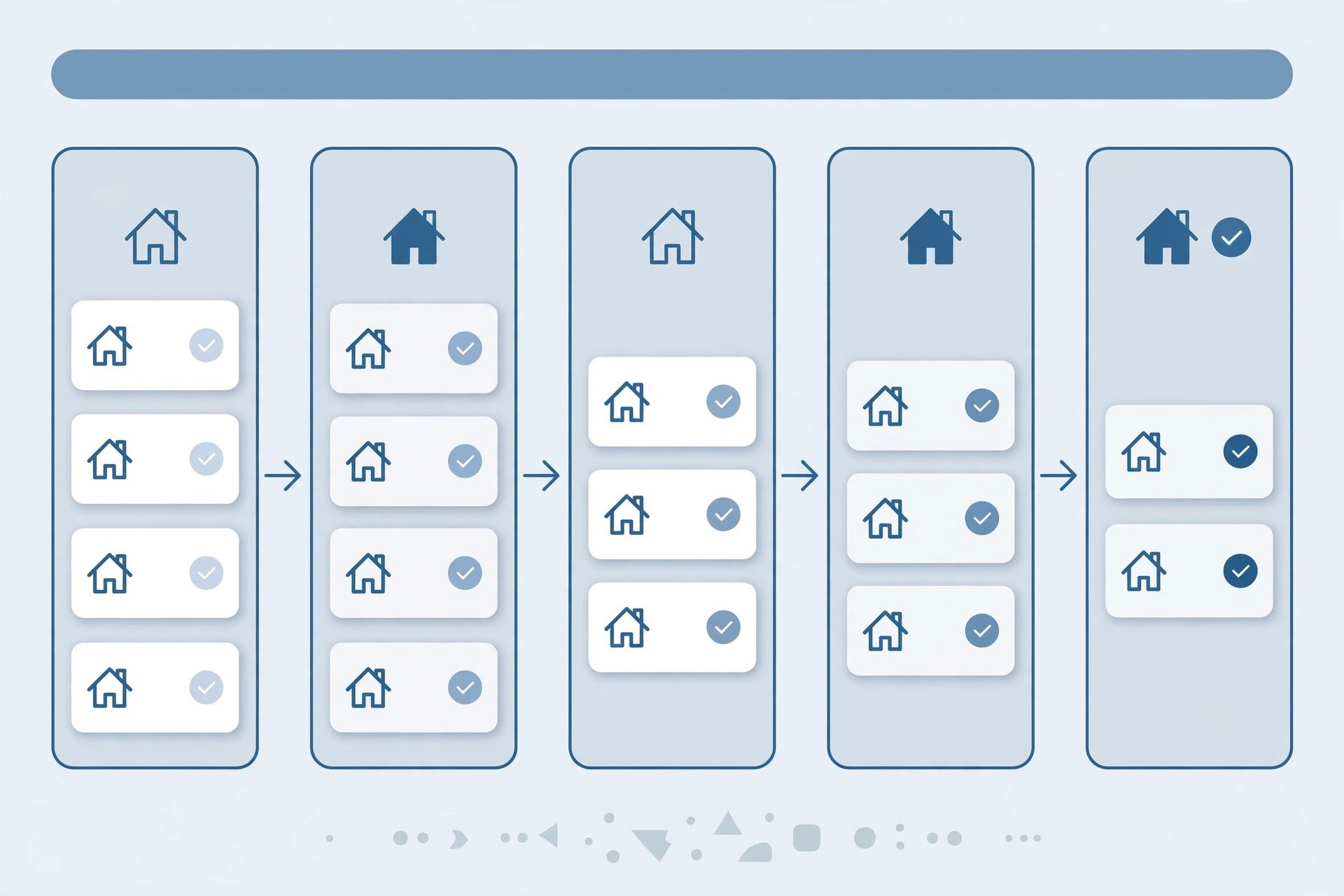
A good roofing CRM does five things:
- Captures every lead in one pipeline. Website forms, canvassing apps, referrals, storm-chaser season — everything lands in one board instead of scattered texts and sticky notes.
- Follows up automatically. The first text goes out in minutes, then emails and reminders run on schedule. Most lost jobs aren’t lost on price — they’re lost to silence.
- Turns estimates into signed jobs. Digital proposals with Good/Better/Best options, e-signatures, and one-click financing links.
- Runs production. Crew scheduling, material orders, daily logs, photo documentation — the job side, not just the sales side.
- Reports your real numbers. Close rate, cost per lead, average ticket, revenue per rep. The numbers that tell you whether to hire another crew or fix your close rate first.
See the 72-hour storm damage marketing playbook for how to work a hail week without losing leads.
What it doesn’t do: generate leads by itself (that’s a separate job — see our guide to roofing lead generation systems that actually work), and it won’t fix a broken follow-up habit. A CRM with an empty pipeline is an expensive address book.
The 3 roofing CRMs on every owner’s shortlist
You don’t need a list of twenty. For residential roofing in 2026, three names come up in every serious conversation:
AccuLynx — Roofing-specific since 2008, and the deepest option for insurance restoration work: automated workflows for every claim stage from inspection through final supplement, per agiled.app’s 2026 roofing software review. It integrates with EagleView and HOVER for aerial measurements and lets crews order materials directly from ABC Supply, Beacon, and SRS Distribution. The tradeoff is price and complexity: the Essential plan starts around $250/month, Pro runs roughly $60–$100 per user per month, Elite $100–$120 per user, and implementation fees range from $500 to $2,500. As agiled.app’s review puts it, per-user pricing plus paid add-ons make it “one of the most expensive options” on their list. Best for storm/restoration companies managing dozens of active claims at once.
JobNimbus — The flexible pick for growing residential companies: a visual Kanban pipeline, workflow automation, and the SumoQuote proposal tool built into the platform, with integrations to EagleView, ABC Supply, SRS, and QuickBooks, per sunbasedata’s 2026 comparison. Pricing is largely quote-based — bbntimes.com’s 2026 table puts plans at roughly $225–$550/month base plus $20–$75 per user — with a 14-day free trial. Reviewers consistently flag email-delivery reliability as a recurring complaint, according to spotio.com’s 2026 CRM guide. Best for retail/residential companies that want power without a steep learning curve.
Leap (formerly JobProgress) — The sales-first option: strong in-home selling tools and digital proposals, built for the kitchen-table close. Spotio’s 2026 guide prices it around $149 per user per month. Best if your bottleneck is closing, not production.
One more name worth knowing: HubSpot has a free tier and works for any business — but it’s not roofing-specific. You’ll wire every measurement, supplier, and production integration yourself, and per leaptodigital.com’s 2026 roundup, roofing-vertical tools earn their price by coming pre-built for this trade.
Best CRM for roofing companies: the 6-point checklist before you buy
Run every demo through this list. If a vendor dodges a question, you have your answer.
- Roofing-specific, not generic. Ask about EagleView/HOVER integrations, Xactimate and supplement support, and production scheduling. If the answer is “we integrate with everything via Zapier,” that’s not roofing software.
- Follow-up automation out of the box. Can it text a new lead within 5 minutes, then run a 7-touch sequence without anyone remembering? The owners who win storm season win on speed.
- A mobile app the crew will actually use. If only the office logs in, your job data rots. The field app decides whether the crew you hired documents jobs or doesn’t.
- Real 12-month cost math. Base + per-user × your actual headcount + add-ons + implementation. A $250/month base becomes $1,000–$1,200/month for a 10-person team on a top tier — and you need that math before, not after, you sign. Knowing your numbers matters everywhere in this business, from pricing a roofing job to buying software.
- A trial with your own data. Minimum: a demo running your workflow, not their sales script. JobNimbus offers a 14-day trial with no credit card required.
- Your data if you leave. Export policy in writing. Switching CRMs is painful; losing your job history is worse.
The software is the easy part. The hard part is the discipline: one pipeline, one follow-up sequence, one way to run every job. Pick the tool that fits your company, get everyone on it in the same week, and protect your margins. For more on running the business side, see our guides for roofing company owners.
Frequently asked questions
How much does a CRM cost for a roofing company?
Most roofing-specific CRMs cost $250–$550/month base plus $20–$120 per user per month in 2026. AccuLynx starts around $250/month (Essential) with per-user tiers up to $120; JobNimbus plans run roughly $225–$550/month base plus per-user fees; Leap runs about $149 per user per month. Add implementation fees of $500–$2,500 where charged, and run the 12-month math for your actual headcount.
Can I use HubSpot or a spreadsheet instead of a roofing CRM?
You can — for a while. HubSpot’s free tier handles contacts and deals, and plenty of two-man crews start on spreadsheets. The wall comes with insurance claims, aerial measurements, and production scheduling: roofing-specific tools like AccuLynx and JobNimbus have those built in, while generic tools need custom integrations for each one. Most companies outgrow the spreadsheet around 5–8 employees.
Which CRM is best for a small roofing company?
For a small residential crew, JobNimbus is the usual recommendation: flexible, easier to learn, with a 14-day free trial and plans starting around $225/month base. Choose AccuLynx if you do significant storm/insurance restoration work and need deep claim-management workflows; choose Leap if your main bottleneck is closing in-home sales. Trial all three with your own leads before signing.
Prices vary by plan, team size, and add-ons — get a current quote before deciding.
Last updated: October 2026
Leave a Reply