
-
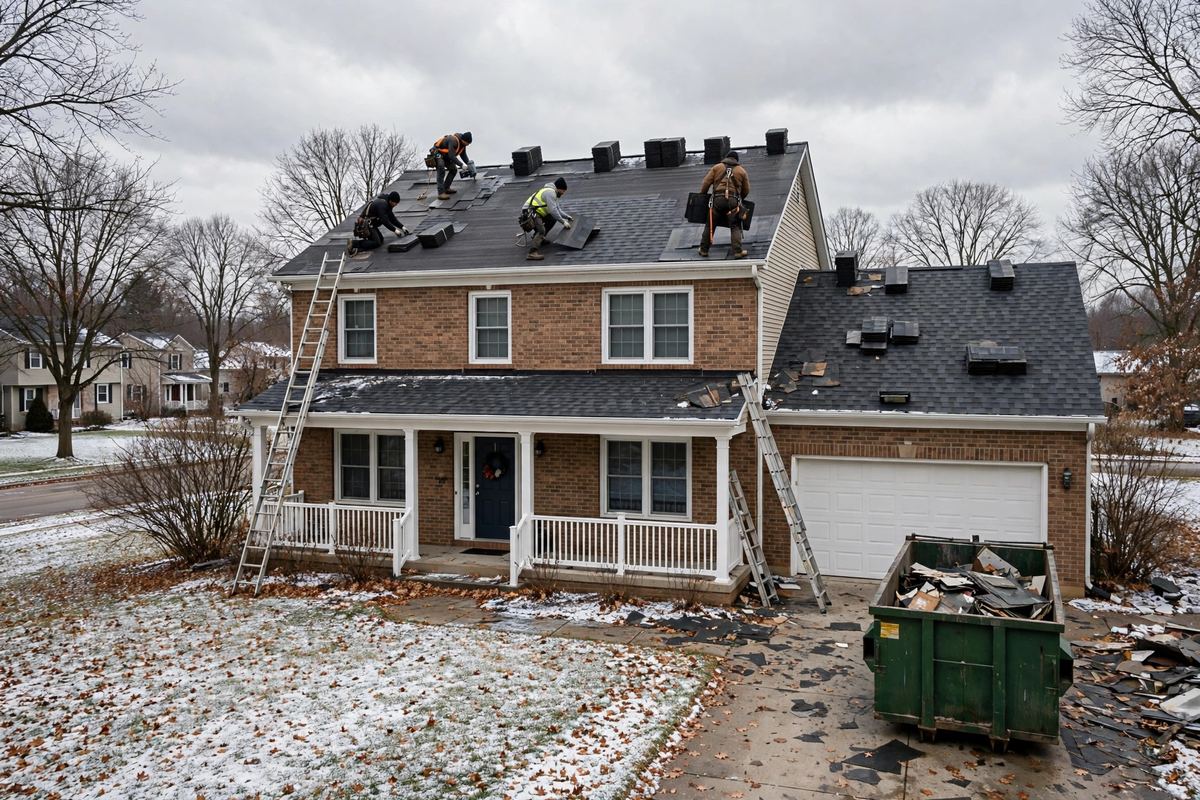
A roof replacement in Ohio in 2026 typically costs $6,000–$32,000 for most homes. Here is what drives the price — lake-effect snow, ice barriers, permits, and the new 2026 contractor registration law — and the four questions that keep a quote honest.
-

Get three itemized quotes for the same scope, compare them line by line, and pick the middle bid from a contractor you can verify — not the cheapest number on the page.
-
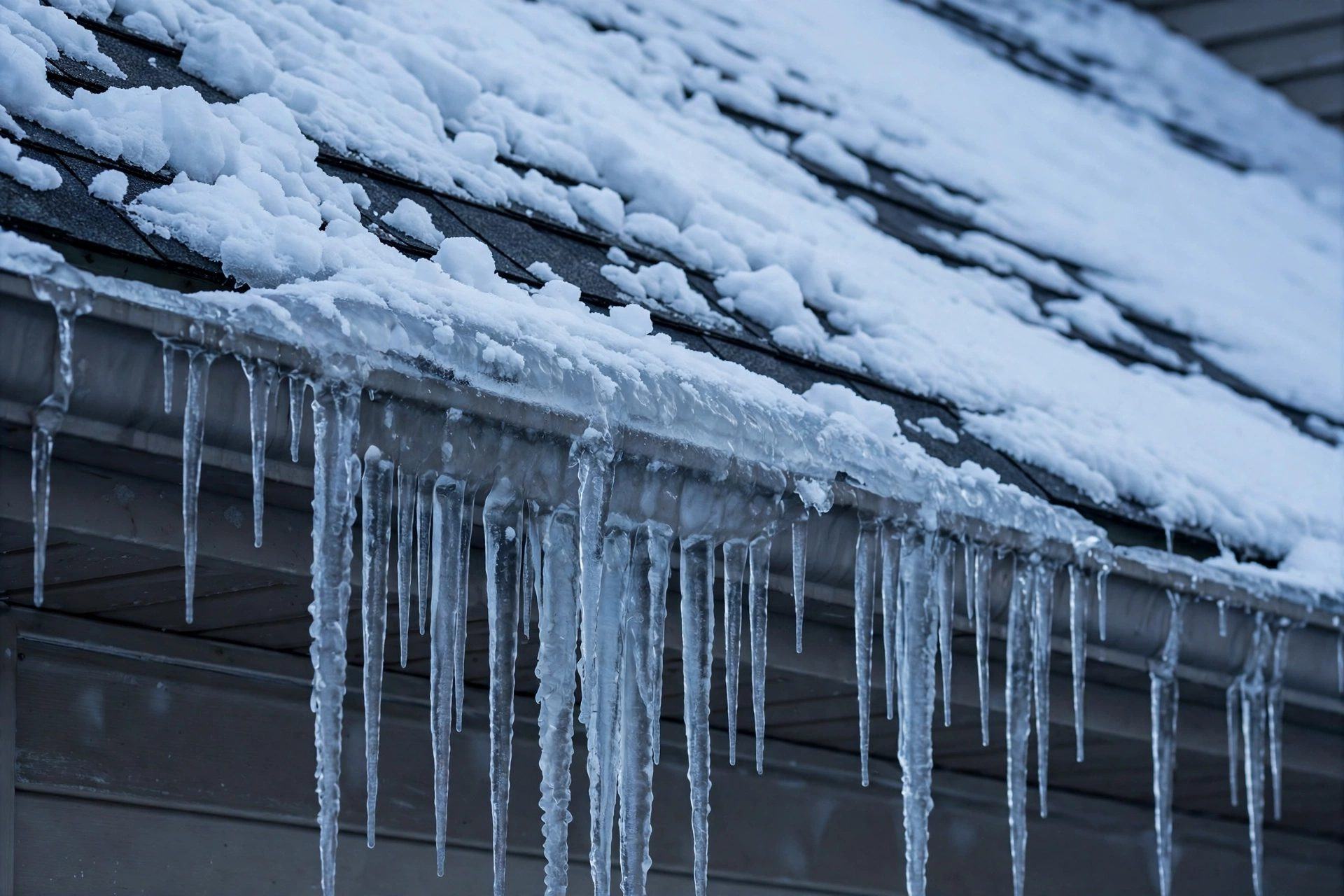
An ice dam is a ridge of ice at the roof’s edge that traps meltwater and forces it under your shingles. The cause is heat escaping into the attic — and the fix is air sealing, insulation, and ventilation, not chipping at the ice.
-
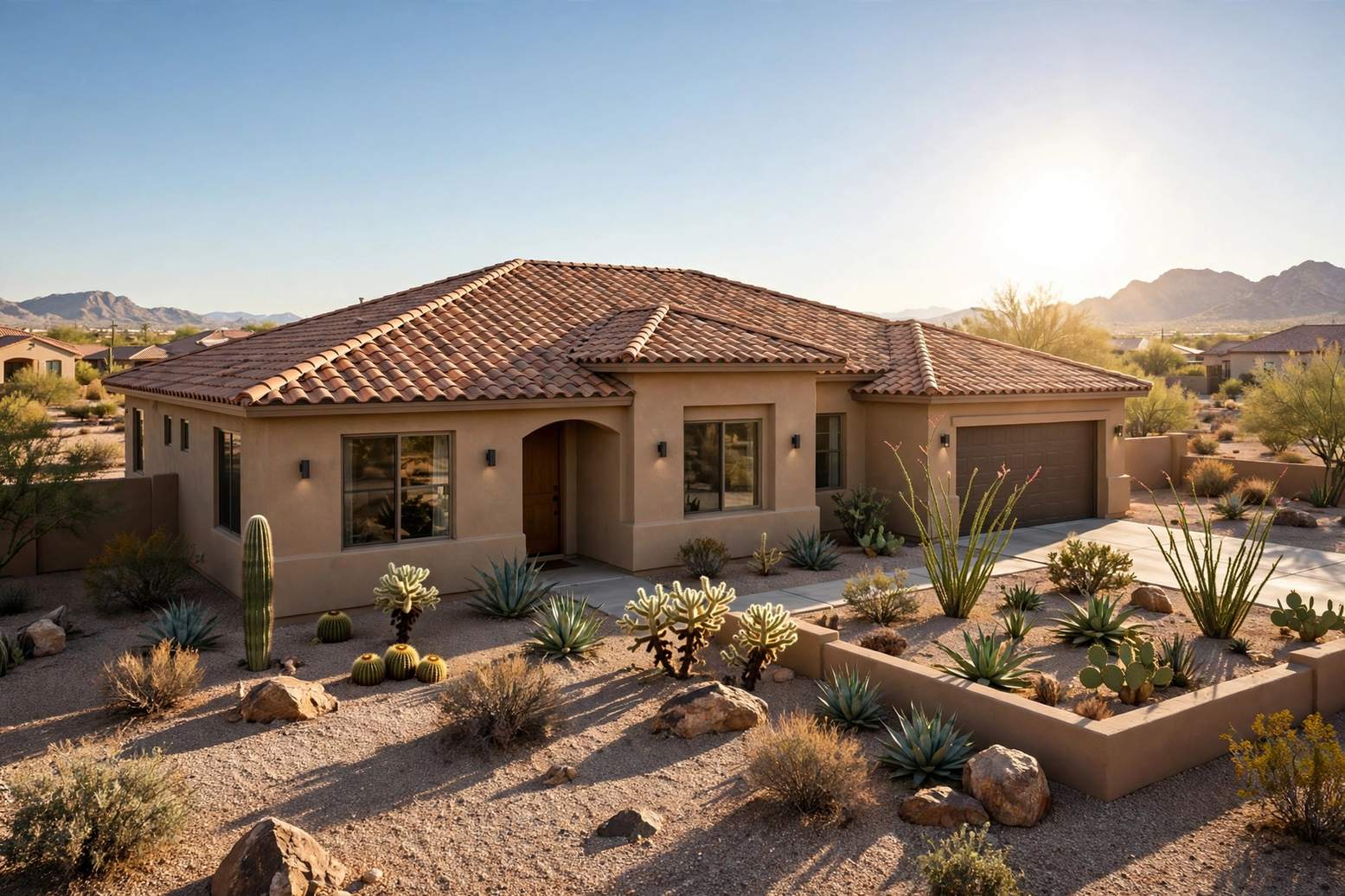
Arizona homeowners typically pay $8,000–$16,000 for architectural shingles on a 2,000 sq ft roof in 2026, while tile runs $21,000–$32,000. Desert heat, monsoon wind, and the underlayment under tile roofs are what really drive the price.
-
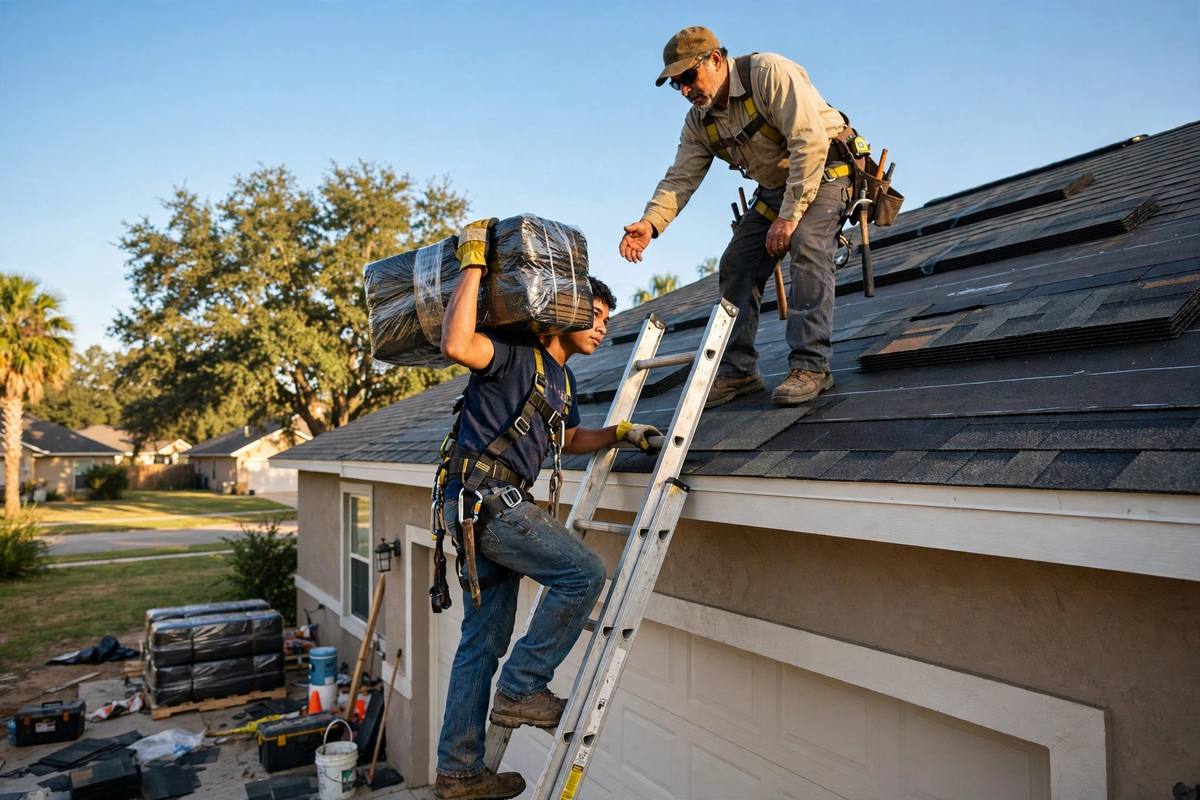
Sí, puedes entrar al roofing sin experiencia: la mayoría de los techadores empezó como ayudante. Esta guía explica las rutas reales, lo que pagan y lo que te van a pedir el primer día.
-
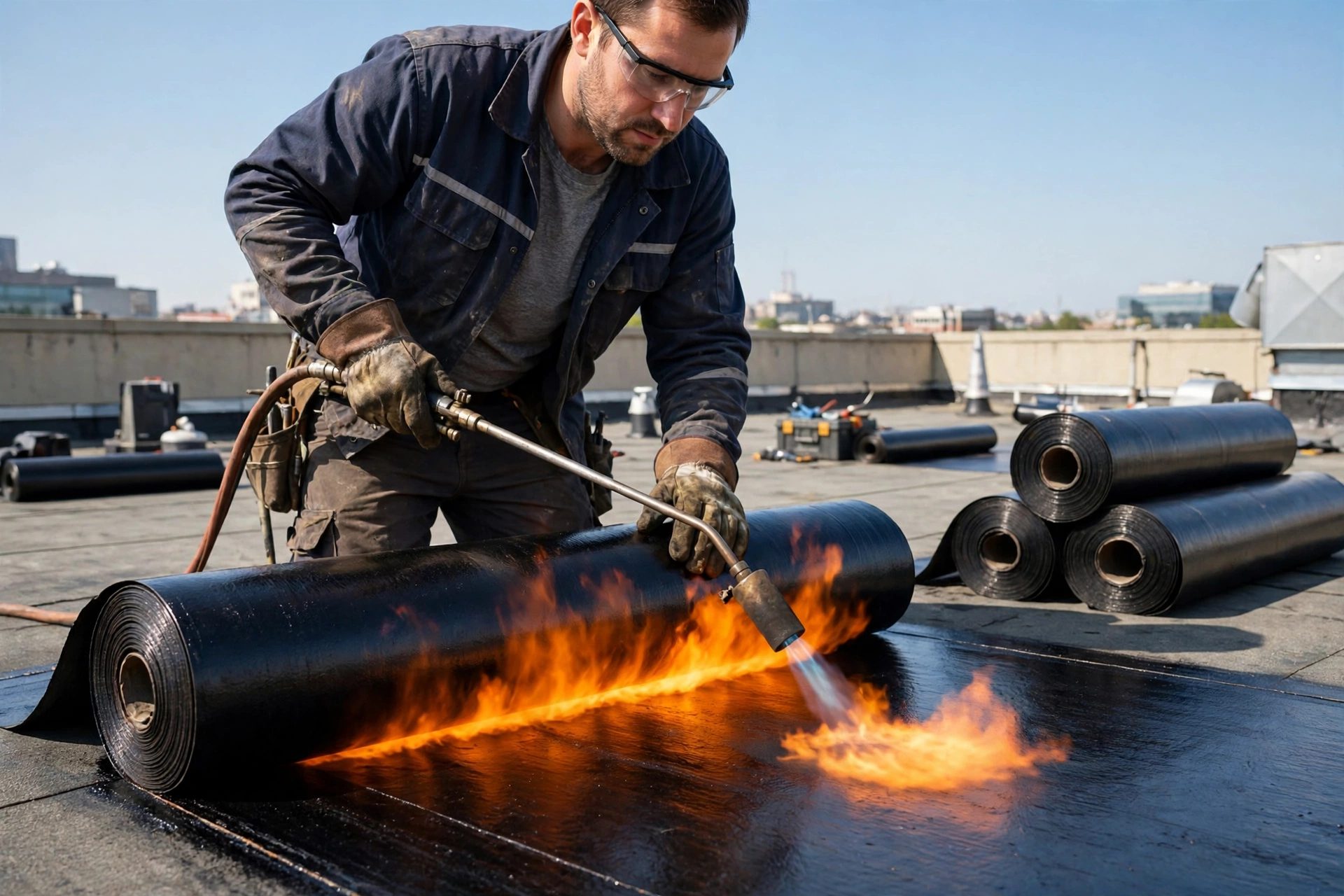
Antes de encender el soplete para torch-down, tres cosas deben estar listas: extintores ABC al alcance, un compañero asignado al fire watch y el área libre de combustibles. Esta es la lista completa de seguridad, con las reglas de OSHA y el programa CERTA de NRCA.
-
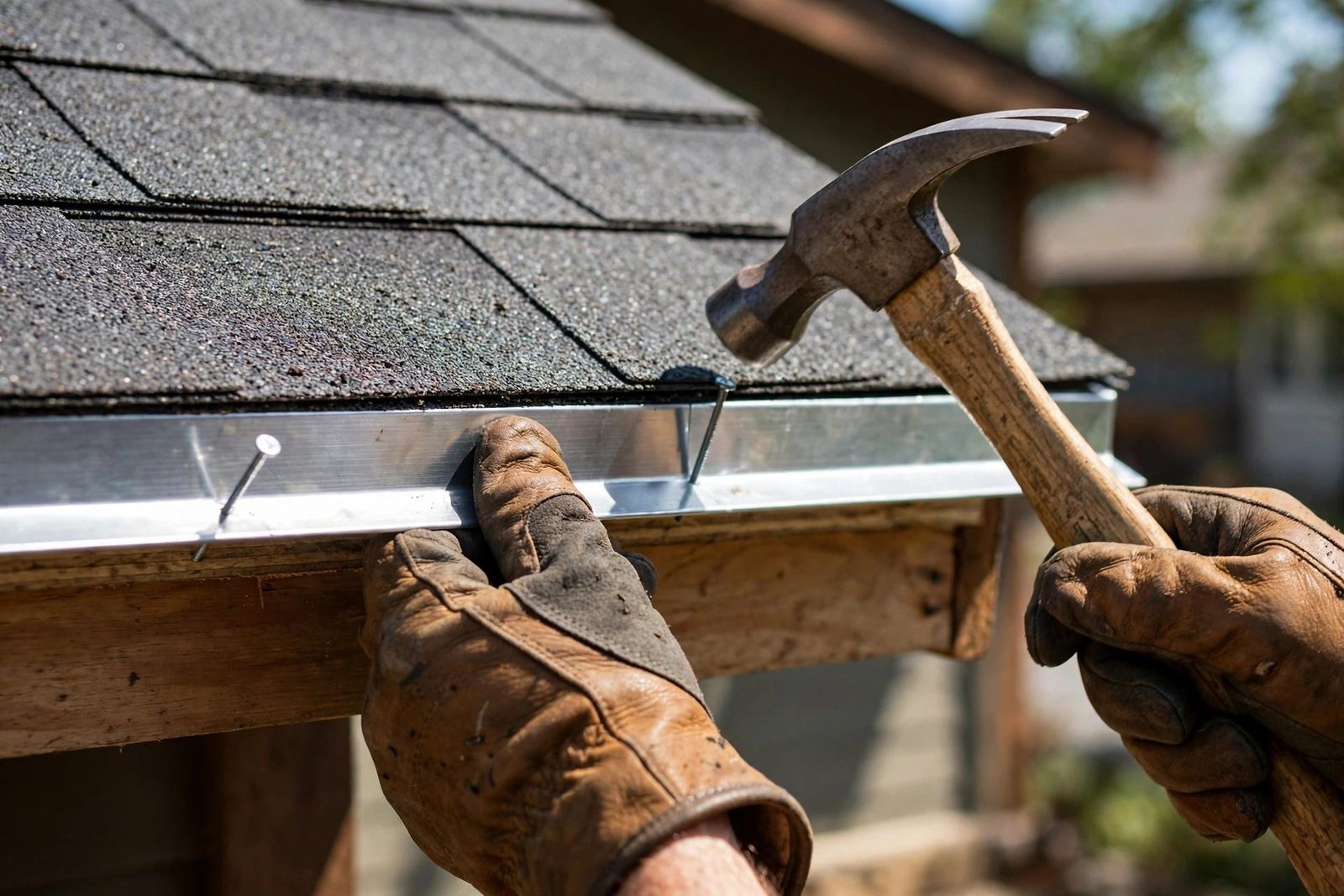
El drip edge es la tira de metal que protege el borde del techo y el código lo exige desde 2012. Aprende a instalarlo bien — alero y rake — y por qué los presupuestos baratos lo omiten.
-
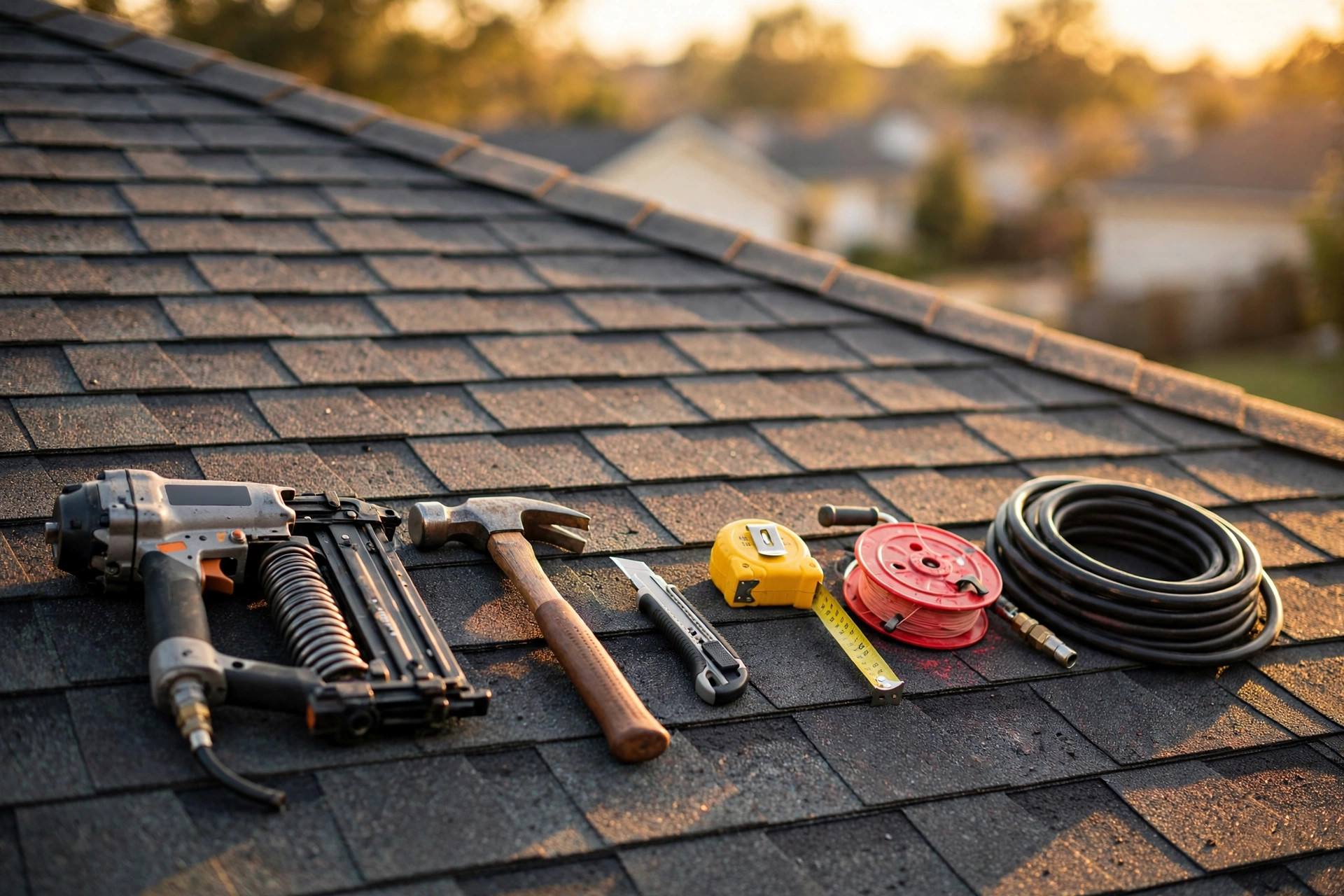
Las 8 herramientas esenciales de roofing — pistola de clavos, martillo de techador, cuchilla de gancho, cinta, chalk line, pistola de aire caliente, rodillo de costura y equipo de seguridad — y cómo usarlas como profesional, con los números que importan.
-
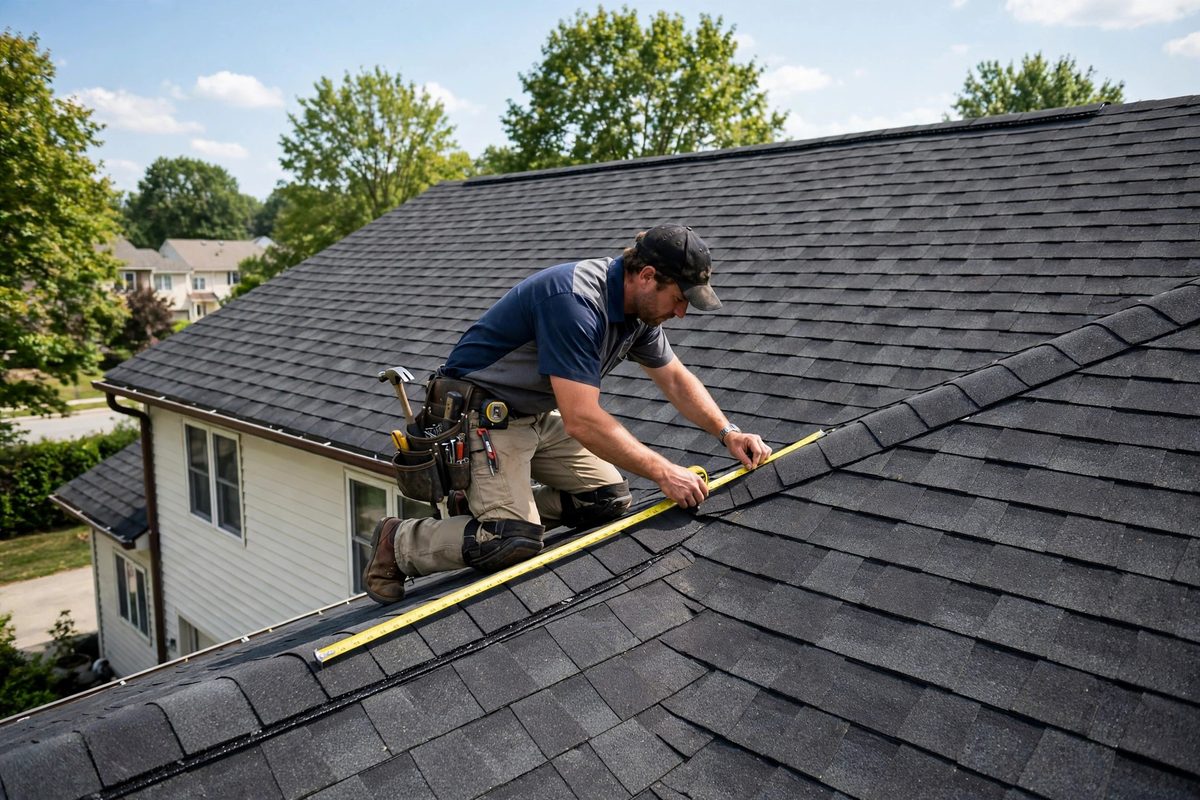
Para medir un techo para tejas, mide cada plano, convierte el área a squares (1 square = 100 pies cuadrados) y agrega 10–15% de desperdicio según la complejidad del techo. Guía paso a paso con tabla de pitch y un ejemplo completo.
-
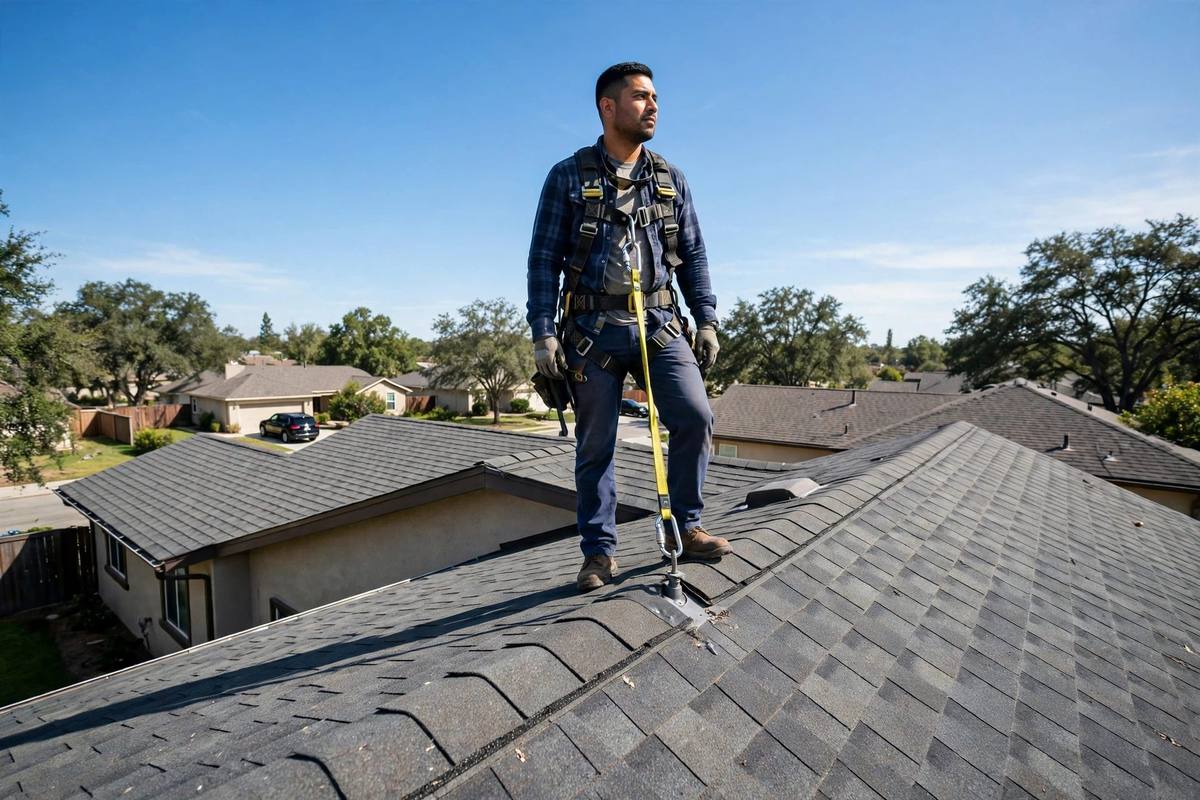
OSHA exige protección contra caídas para todo trabajador a 6 pies o más sobre un nivel inferior. Esta guía explica la regla 1926.501 en español claro: qué sistemas valen, cuánto debe soportar el ancla y qué tiene que darte tu patrón.