
Key takeaways
- Metal costs 2–3x more up front ($8–$18 per sq ft installed vs $4–$7 for asphalt) but lasts 40–70 years vs 15–30.
- A properly installed metal roof is no louder indoors than shingles.
- Reflective metal cuts peak cooling demand 10–15% (per ENERGY STAR); impact-rated metal earns insurance discounts in hail states.
A metal roof costs roughly two to three times what asphalt shingles cost — but it lasts two to three times as long. That’s the entire debate in one sentence: you’re not choosing between two roofs, you’re choosing between paying once or paying twice.
I supervised a 15-person roofing crew for years, and I’ve torn off both kinds of roofs. Here’s the honest comparison homeowners actually need: real installed costs in 2026, real lifespans (not brochure numbers), the truth about rain noise, and which one makes financial sense for your situation. If you’re deciding between metal roof vs asphalt shingles, this is the full picture.
How much does a metal roof cost vs asphalt shingles?
Cost is where most people start, so let’s put real numbers on it. These are 2026 installed ranges — materials plus labor, tear-off included — for a typical residential roof.
Asphalt shingles: $4–$7 per square foot installed. On an average 2,000-square-foot roof surface, that lands most homeowners between roughly $8,000 and $14,000 for quality architectural shingles. Three-tab shingles (the flat, single-layer kind) sit at the low end of that range; premium architectural shingles sit at the top. If you want the full breakdown of what drives those numbers, our complete 2026 roof replacement cost guide walks through size, pitch, and region factors.
Metal roofing: $8–$18 per square foot installed — but “metal” is a much bigger category, and the type matters more than the material:
- Exposed-fastener ribbed panels (the agricultural-style panels screwed straight through the face): $5.50–$8.50 per sq ft installed. Cheapest metal option, but the screws back out over time and the rubber washers dry out — expect to re-tighten and reseal every 10–20 years.
- Metal shingles or tiles (stamped panels that mimic shingles, slate, or tile): $10–$16 per sq ft installed. Better curb appeal, concealed fasteners.
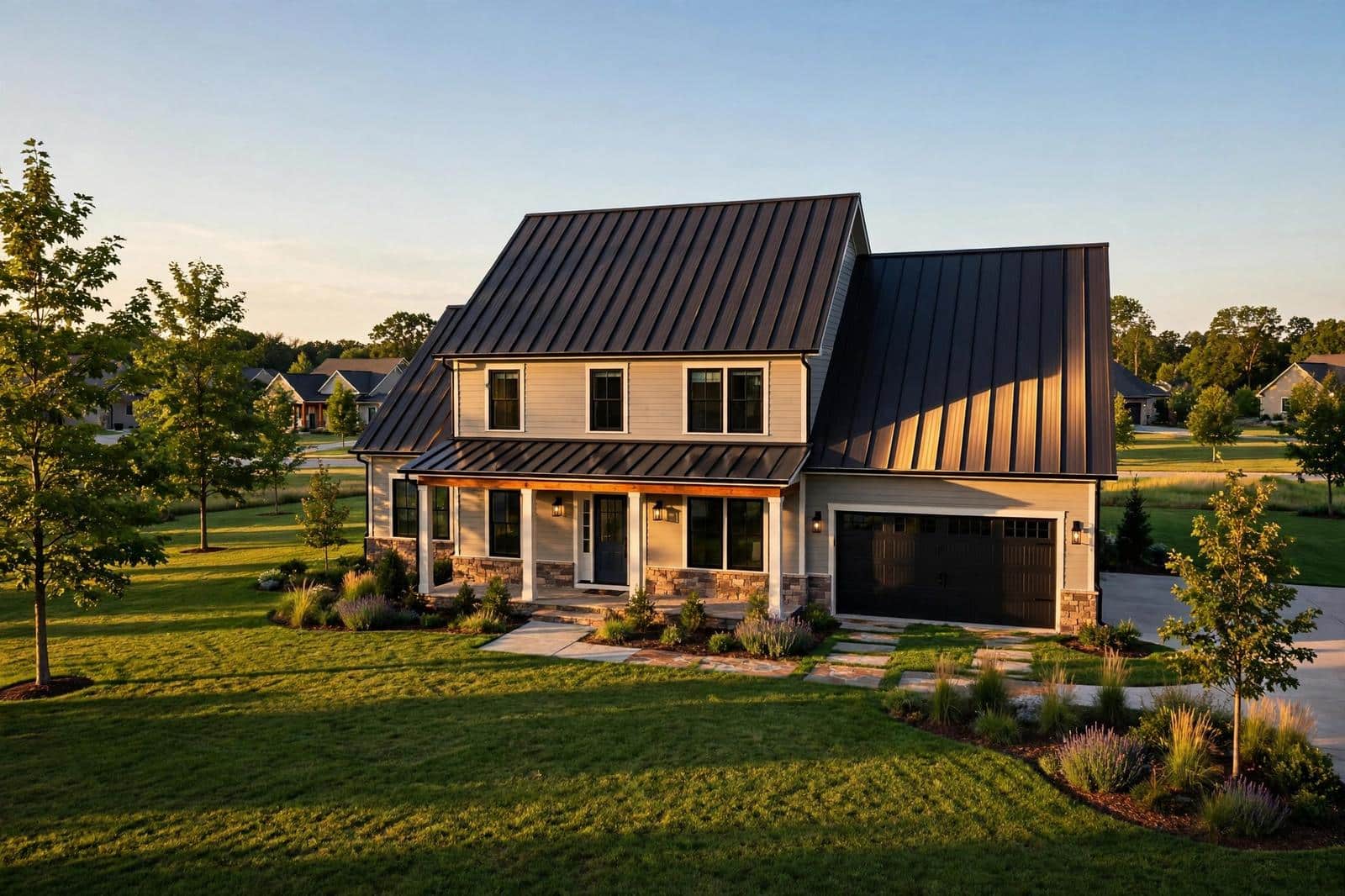
- Standing seam (vertical panels with raised interlocking seams, no exposed screws): $11–$18 per sq ft installed. The gold standard — fasteners never touch weather, so leak risk drops to almost zero.
On that same 2,000-square-foot roof surface, standing seam runs roughly $22,000–$36,000 installed, compared with $8,000–$14,000 for architectural shingles. That’s the sticker shock that kills most metal quotes. But sticker price is only half the math.
The 50-year math most quotes skip
An architectural shingle roof lasts 25–30 years in a mild climate. In hot, hail-prone, or coastal climates, plan on 15–20. A standing-seam metal roof lasts 50–70+ years. So over 50 years in the same house, the shingle homeowner buys the roof twice: $16,000–$28,000 across two installs (in today’s dollars, before price increases — and shingle prices have been climbing, with major distributors applying increases of up to 9% in 2026).
One standing-seam metal roof over the same 50 years: $22,000–$36,000, installed once. Suddenly the “expensive” roof is the cheaper one — if you stay in the house long enough to collect on it.
That “if” is doing a lot of work. If you’re selling in 5–10 years, you won’t recover the metal premium dollar-for-dollar; you’ll recover a larger share of the shingle cost because the next buyer gets a fresh-looking roof either way. Our rule of thumb from the field: if this is your forever home (15+ years), metal wins on total cost. If you’re moving within a decade, good architectural shingles are the smarter money — and if you’re weighing shingle tiers, our architectural vs 3-tab shingles breakdown shows where the extra shingle money actually pays off.
How long do metal roofs last vs asphalt shingles?
Lifespan is metal’s strongest argument, so let’s be precise — because manufacturer marketing stretches the truth on both sides.
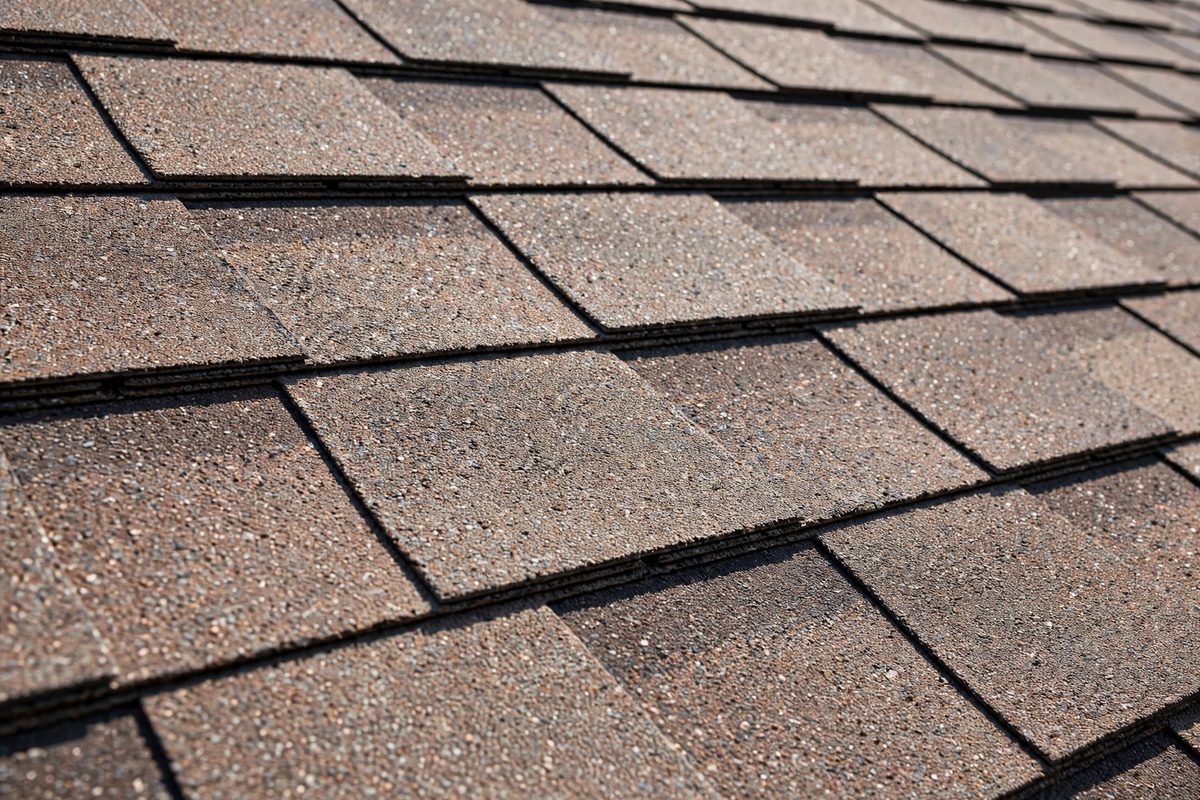
Asphalt shingles: 15–30 years, depending on the tier and your climate. Three-tab shingles realistically give you 15–20 years; architectural shingles 25–30 in mild weather, less where it’s hot. Owens Corning, GAF, and CertainTeed all publish 130-mph wind ratings on their architectural lines with enhanced nailing — but heat and UV are what actually kill shingles, not wind. Granule loss, curling, and brittleness are the real countdown clocks. (In Texas heat specifically, expect the shorter end of that range.)
Metal roofing: 40–70 years. Ribbed panels with exposed fasteners: 30–50 years with maintenance (retightening screws, replacing seals). Standing seam and metal shingles: 50–70+ years with minimal upkeep — the Kynar 500 / PVDF paint finish is what carries most of that lifespan, and it holds color and chalk resistance far better than older metal coatings.
One honest caveat: the roof deck underneath matters for both. A metal roof on a rotted deck is a 70-year roof sitting on a 10-year foundation. If the tear-off reveals bad plywood, replace it regardless of which material you choose.
What the warranties actually say
Warranty language is where manufacturers hedge. GAF’s Lifetime shingle warranty covers manufacturing defects for as long as the original owner owns a single-family home — but the non-prorated period is 10 years on the baseline tier (50 years on the enhanced tiers), and wind coverage runs 15 years up to 130 mph with enhanced installation. After the non-prorated period, payouts shrink fast.
GAF’s TimberSteel metal system, by comparison, carries a 30-year paint finish fade-and-chalk warranty, a 15-year hail limited warranty on the top tier, 15 years of wind coverage, and up to 30 years of workmanship coverage when installed by a certified contractor. Neither warranty covers what homeowners most often hope it covers: installation mistakes by an uncertified crew, or storm damage beyond the stated terms. Read the actual warranty document for your product before you sign — the headline term is never the whole story.
Are metal roofs loud in the rain?
This is the number-one myth in roofing, and it comes from everyone’s experience with metal: a barn roof, a carport, a shed. Yes, rain on bare metal with nothing underneath sounds like a drum. That’s because there’s nothing underneath.

A residential metal roof is a completely different assembly. The noise you hear inside your house during rain doesn’t come from the metal — it comes through the whole roof system. A properly installed metal roof sits on solid plywood decking, over underlayment, with an insulated attic air space between the roof and your living room. Each of those layers absorbs sound before it reaches you.
The field result: contractor testing finds that a properly insulated residential steel roof registers interior noise levels virtually indistinguishable from architectural asphalt shingles. Metal systems installed with vibration-damping underlayment and attic insulation reduce noise penetration by 40–60% compared to bare metal, and architectural shingles over high-STC underlayment reach interior sound ratings (STC 52–54) that a well-built metal assembly matches.
Three things determine whether your metal roof will be quiet:
- Solid decking. Metal installed directly over open purlins or battens (like a barn) will be loud. Metal over solid plywood decking will not.
- Underlayment. Heavy synthetic underlayment acts as a sound-dampening gasket between the metal and the deck. This is non-negotiable — and it’s one of the places cheap quotes quietly cut.
- Attic insulation. The dead air space plus blown-in insulation in a normal attic is the biggest sound baffle in the whole system.
If a contractor proposes installing metal without solid decking or with thin felt instead of proper underlayment, that’s a red flag — not just for noise, but for the whole job. And if you’re comparing products side by side, our roofing materials comparison tool lets you line up metal, shingles, and other options on cost, lifespan, and maintenance in one view.
The honest tradeoffs: energy, insurance, maintenance, and weight
Cost, lifespan, and noise get the headlines, but these four factors often decide the choice for real.
Energy bills
A light-colored metal roof reflects solar heat instead of absorbing it. Per ENERGY STAR’s cool-roof data, reflective roof products can cut peak cooling demand by 10–15%, and the EPA’s heat-island guidance puts the range at 11–27% for air-conditioned homes. Dark asphalt shingles do the opposite — they soak up heat and radiate it into your attic. In a hot climate, that difference shows up on every summer electric bill. (Ventilation matters too — a hot attic cooks shingles from underneath, metal or not.)
Insurance
This one surprises people: in hail-prone states, a metal roof can lower your homeowners premium. Most standing-seam and steel-shingle products carry a UL 2218 Class 4 impact rating — the highest — and many insurers offer meaningful discounts for Class 4 roofing. In Texas, where hail is a way of life, we’ve seen impact-resistant roofing earn premium reductions that pay back part of the metal upgrade over the roof’s life. Texas homeowners can see how hail and insurance shape local costs in our state cost breakdown. Always confirm the discount with your own insurer before you buy — discounts vary by carrier and policy.
Maintenance
Architectural shingles are mostly hands-off until they aren’t: occasional inspections, replacing the odd blown-off shingle, watching for granule loss in the gutters. Exposed-fastener metal needs more attention — screws back out and neoprene washers dry-rot, so budget a fastener check every few years. Standing seam, by contrast, is nearly maintenance-free for decades: no exposed fasteners, no granules to lose, nothing to curl. Over 50 years, the maintenance ledger favors standing seam heavily.
Weight and structure
Metal is light — roughly half the weight per square foot of architectural shingles. That matters on older homes where the framing is marginal, and it means metal can often be installed over one existing shingle layer (where local code allows two layers), saving tear-off cost. Asphalt on asphalt is also allowed in most jurisdictions up to two layers, but you’re adding weight each time.
Which one should you choose?
After all the numbers, here’s the plain-English decision:
Choose asphalt shingles if: your budget is firm, you’re selling within 10 years, or you want the lowest cost per year of the time you’ll actually own the home. Spend the shingle money on the architectural tier — the jump from 3-tab to architectural is the best value upgrade in roofing.
Choose metal — specifically standing seam — if: this is your long-term home, you live in hail or high-wind country, your summer cooling bills are brutal, or you never want to think about your roof again. Skip exposed-fastener panels for a primary residence unless the budget truly demands it; the maintenance erases much of the savings.
Either way, the material is maybe 40% of the outcome. The other 60% is the crew: proper decking, proper underlayment, proper flashing, and a manufacturer-certified installer so the warranty means something. A perfect shingle roof installed right will outlast a premium metal roof installed wrong. Get three quotes, read them line by line, and never hire on price alone.
Frequently asked questions
Last updated: October 2026
Disclaimer: Cost ranges in this article reflect 2026 national averages from manufacturer and industry sources; your actual quotes will vary by region, roof complexity, pitch, and local labor markets. Always get at least three itemized quotes from licensed local contractors before deciding.
Are metal roofs noisy in the rain?
No — not when installed correctly. A residential metal roof over solid plywood decking, with proper underlayment and normal attic insulation, measures about the same interior noise level as asphalt shingles during rain. The “tin roof drumming” people imagine comes from barns and sheds, where metal is fastened over open framing with nothing behind it. If your metal roof is loud, something in the assembly was skipped.
Is a metal roof worth the extra cost over shingles?
It depends on how long you’ll own the home. Standing seam metal costs roughly $11–$18 per sq ft installed versus $4–$7 for architectural shingles, but it lasts 50–70+ years compared to 15–30. If you’ll own the home 15+ years, one metal roof is often cheaper than two shingle roofs plus the energy and insurance savings. If you’re selling within 10 years, shingles are usually the better financial move.
How long do metal roofs last compared to asphalt shingles?
Standing-seam metal roofs last 50–70+ years; exposed-fastener metal panels last 30–50 years with maintenance. Architectural asphalt shingles last 25–30 years in mild climates and 15–20 in harsh heat or hail zones; three-tab shingles last 15–25. So a metal roof typically outlives two shingle roofs.
Can you put a metal roof over asphalt shingles?
Often yes, where local building code allows up to two roof layers — metal is light enough (roughly half the weight of architectural shingles) that the structure usually handles it. It saves tear-off and disposal costs. But it hides the deck, so any rotted plywood or hidden leaks stay hidden. If the existing roof is in rough shape, a full tear-off is the honest recommendation.
Do metal roofs attract lightning?
No. Metal roofing does not increase the chance of a lightning strike — lightning hits the tallest object in an area regardless of material. In fact, metal is non-combustible, so if lightning does strike, a metal roof won’t catch fire the way other materials can, and it disperses the charge safely when properly grounded.
Leave a Reply